
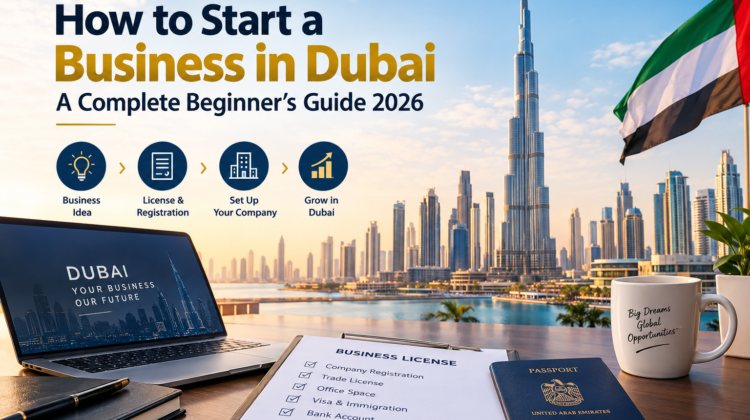
How to Start a Business in Dubai: A Complete Beginner’s Guide 2026
Starting a business in Dubai is an exciting opportunity for entrepreneurs, investors, and beginners who want to enter an international market. Dubai is known for its modern infrastructure, global connectivity, business-friendly environment, and access to customers from different countries.
If you are planning to become an entrepreneur, understanding how to start a business in Dubai can help you make informed decisions, avoid common mistakes, and build a strong foundation for your company.
This beginner’s guide explains the main steps, business structures, licensing requirements, and important considerations for 2026.
1. Choose the Right Business Idea
The first step in learning how to start a business in Dubai is choosing a business idea that matches your skills, experience, budget, and market demand.
Some business opportunities to consider include:
-
E-commerce: Sell products through an online store.
-
Digital marketing: Provide SEO, social media management, and online advertising services.
-
Real estate: Explore property-related services, subject to applicable licensing requirements.
-
Consulting: Offer professional advice in your area of expertise.
-
Import and export: Trade goods across international markets.
-
Tourism: Provide approved travel-related services and experiences.
Before investing money, research your competitors, identify your target customers, and estimate your expected expenses.
2. Choose Between Mainland and Free Zone
One of the most important decisions when setting up a company in Dubai is choosing the appropriate jurisdiction. Your decision affects licensing, permitted activities, office requirements, and how you can serve customers.
Mainland company
A mainland business may suit entrepreneurs who want to operate in the UAE market and work with a broad range of local customers, subject to the activity and applicable rules.
Free zone company
A free zone company may suit international businesses, online ventures, consultants, and entrepreneurs looking for a jurisdiction tailored to their industry. Rules on trading outside the free zone depend on the activity and applicable approvals.
Compare the total setup costs, visa options, office requirements, and business permissions before choosing.
3. Select Your Business Activity and License
After choosing your business idea and jurisdiction, select the exact activities your company will perform. Your chosen activity determines the type of license and any additional approvals you may need.
Common license categories include:
-
Commercial license: For approved trading activities.
-
Professional license: For eligible services and consultancy activities.
-
Industrial license: For manufacturing and industrial operations.
For example, a digital marketing agency may require a professional or service-related license, while a company selling physical products may require a commercial license.
Always confirm that your proposed activities are permitted under the specific license before applying.
4. Register Your Company Name
Choose a unique business name that follows Dubai’s naming rules. Check its availability and reserve it through the relevant authority.
Your business name should comply with local regulations and must not improperly use protected names or trademarks. You may also need to submit shareholder details, passport copies, and other documents depending on the company structure.
You can begin exploring the official registration process through the Invest in Dubai portal.
5. Apply for a Business License
Obtaining the correct license is a key step in understanding how to start a business in Dubai legally.
The usual process involves:
-
Selecting your business activities and legal structure.
-
Applying for initial approval, where required.
-
Submitting the necessary application and identity documents.
-
Preparing company formation documents, if applicable.
-
Arranging an approved office or workspace if required.
-
Obtaining additional approvals for regulated activities.
-
Paying the applicable fees and receiving your license.
The precise process varies by jurisdiction and business activity. Do not begin regulated commercial operations until you have the required authorization.
6. Understand the Cost of Starting a Business in Dubai
The cost of setting up a company depends on the license, jurisdiction, office arrangement, visas, and type of business.
Your budget may include:
-
Company registration and trade license fees
-
Office rent or workspace charges
-
Visa and immigration-related fees
-
Government approvals
-
Corporate bank account requirements
-
Accounting, tax, and compliance services
-
Marketing and initial operating expenses
There is no single setup price that applies to every business. Request a detailed quotation from the relevant licensing authority and calculate your ongoing expenses as well as your initial investment.
7. Open a Business Bank Account
Once your company is registered, explore opening a corporate bank account. Banks typically conduct due diligence and may request your trade license, incorporation documents, shareholder identification, business plan, and information about your expected transactions.
Approval is not automatic. Choose a bank based on its eligibility criteria, fees, international transfer facilities, and services for businesses of your size.
8. Understand Visas, Taxes, and Legal Requirements
Depending on your circumstances, you may need an appropriate residence visa, work authorization, establishment registration, or employee permits. A company license does not automatically grant every immigration permission.
You should also understand the UAE’s tax and accounting obligations. Corporate tax may apply depending on your company’s circumstances. VAT registration may be required when the relevant conditions and thresholds are met. Free zone companies should not assume that all income is automatically tax-free.
Consult the official UAE government portal or a qualified tax adviser for requirements relevant to your company.
9. Launch and Grow Your Business
After completing the legal requirements, focus on building your customer base and establishing your brand.
Create a professional website, optimize it for search engines, maintain active social media profiles, and develop a clear marketing strategy. Network with relevant businesses, track your cash flow, and review your performance regularly.
Start with manageable expenses and invest in growth as you gain customers and understand the market.
Conclusion
Learning how to start a business in Dubai in 2026 begins with choosing the right business idea, selecting a suitable jurisdiction, obtaining the correct license, and planning your finances. You should also prepare for banking, visas, taxes, and ongoing compliance.
With careful research and a realistic business plan, beginners can approach company formation with greater confidence. Always verify the latest requirements with the relevant Dubai authority before making financial commitments.