Rental Property Investment: Is It Worth It?
Introduction
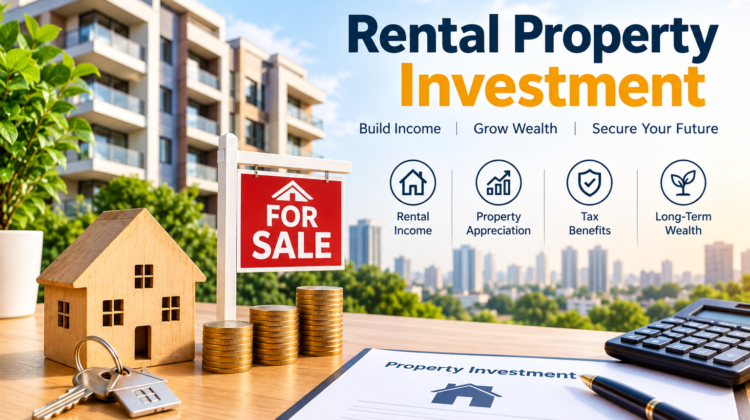
Real estate has long been considered one of the most reliable ways to build long-term wealth. Among the different options available, rental property investment is especially popular because it can provide both regular rental income and potential property appreciation over time.
But is buying a property and renting it out really worth the investment? The answer depends on factors such as location, property price, rental demand, financing costs, maintenance expenses, taxes, and your long-term investment goals.
For investors who choose the right property and manage it effectively, rental real estate can become a valuable source of passive income.
What Is Rental Property Investment?
Rental property investment involves purchasing a residential or commercial property with the intention of renting it to tenants and earning income from the property.
An investor may purchase an apartment, independent house, villa, office, shop, or other income-generating property.
The investment can generate returns through two primary sources:
- Rental income: Regular income received from tenants.
- Property appreciation: Increase in the market value of the property over time.
Why Consider Rental Property Investment?
One of the biggest reasons investors consider rental properties is the opportunity to create a recurring income stream.
1. Regular Rental Income
The most obvious advantage is monthly rental income. If the rent received is higher than the property’s operating expenses and loan obligations, the property may generate positive cash flow.
2. Potential Property Appreciation
Real estate prices can increase over the long term, particularly in areas experiencing infrastructure development, employment growth, population expansion, and improved connectivity.
3. Portfolio Diversification
Investing in rental real estate can diversify an investment portfolio that primarily consists of stocks, mutual funds, bonds, or other financial assets.
4. Potential Tax Benefits
Depending on the applicable tax laws and the investor’s circumstances, property owners may receive certain tax deductions or benefits related to home loan interest, property expenses, or rental income.
Important Factors Before Buying a Rental Property
Not every property makes a good rental investment. Several factors should be evaluated before purchasing.
Location
Location is one of the most important factors in determining rental demand. Properties near business districts, IT hubs, educational institutions, hospitals, metro stations, highways, and major commercial areas may attract more tenants.
Before investing, research:
- Local rental demand
- Average rent in the area
- Upcoming infrastructure
- Employment opportunities
- Public transportation
Property Price
The purchase price directly affects your potential return. A property that appears attractive but is significantly overpriced may produce a low rental yield.
Investors should compare similar properties in the same locality and evaluate whether the expected rent justifies the purchase price.
Rental Yield
Rental yield is an important metric for evaluating an income-generating property.
A simple formula is:
Rental Yield = (Annual Rental Income ÷ Property Value) × 100
For example, if a property worth ₹60 lakh generates ₹2.4 lakh in annual rent:
Rental Yield = (₹2.4 lakh ÷ ₹60 lakh) × 100 = 4%
Investors should compare rental yields with financing costs, maintenance expenses, and alternative investment opportunities.
Benefits of Rental Property Investment
There are several potential advantages to owning a rental property.
Steady income: A well-located property can provide recurring rental income.
Long-term appreciation: Property values may increase over time.
Tangible asset: Unlike many financial investments, real estate is a physical asset.
Potential inflation protection: Rents and property prices may increase over long periods as the cost of living rises.
Leverage: Investors may use a home loan to purchase an asset while contributing only part of the purchase price from their own funds.
Wealth creation: Rental income combined with property appreciation can contribute to long-term wealth accumulation.
How to Calculate Rental Property Returns
Before investing, calculate the expected return rather than relying only on the property’s expected appreciation.
Consider the following:
Net Rental Income = Gross Rental Income − Operating Expenses
You can then compare your net income with the amount invested in the property.
Investors should also calculate the cash-on-cash return, which measures the annual cash income generated relative to the actual cash invested.
For a more complete evaluation, consider both rental yield and expected capital appreciation.
Rental Property vs Other Investments
Rental real estate is only one option for building wealth. Investors should compare it with alternatives such as stocks, mutual funds, bonds, or other assets.
Real estate can provide rental income and potential appreciation, but it usually requires more capital and active management than many financial investments.
How to Make Rental Property Investment More Successful
A successful rental strategy begins with proper research.
Choose a High-Demand Location
Look for areas with strong employment, education, transportation, infrastructure, and lifestyle facilities.
Research Local Rental Rates
Check what similar properties are actually renting for before estimating your expected income.
Calculate All Costs
Never calculate returns using rent alone. Include taxes, maintenance, vacancies, repairs, financing costs, and other expenses.
Maintain an Emergency Fund
Keep sufficient funds available for unexpected repairs, vacancies, or changes in financial circumstances.
Screen Tenants Carefully
A proper tenant screening process can reduce the risk of payment delays and property-related
FAQs
Is rental property a good investment?
Rental property can be a good long-term investment when the property has strong rental demand, reasonable purchase costs, manageable expenses, and potential for appreciation.
What is a good rental yield?
There is no single rental yield that is suitable for every market. Investors should compare the expected yield with property prices, financing costs, maintenance, vacancy risk, and alternative investment opportunities.
How do I calculate rental property ROI?
Calculate your rental income, subtract operating expenses, and compare the resulting net income and capital appreciation with the total amount invested.
What are the biggest risks of rental property investment?
Common risks include vacancy, tenant issues, property damage, maintenance expenses, changing interest rates, and fluctuations in property values.
Should I buy a property with a home loan and rent it out?
It can work when the expected rental income and long-term appreciation justify the loan and associated costs. Investors should carefully assess EMI obligations and cash flow before borrowing.
How can I increase rental income?
Choosing a high-demand location, maintaining the property well, offering useful amenities, pricing the property competitively, and keeping reliable tenants can help improve rental income.